Frequently Asked Questions
What is the average cost of installing Norman retaining walls for residential properties?
The average cost of installing Norman retaining walls for residential properties typically ranges from $15 to $30 per square foot, depending on factors like wall height, materials, and site conditions.
What installation process is involved for Norman retaining walls in residential projects?
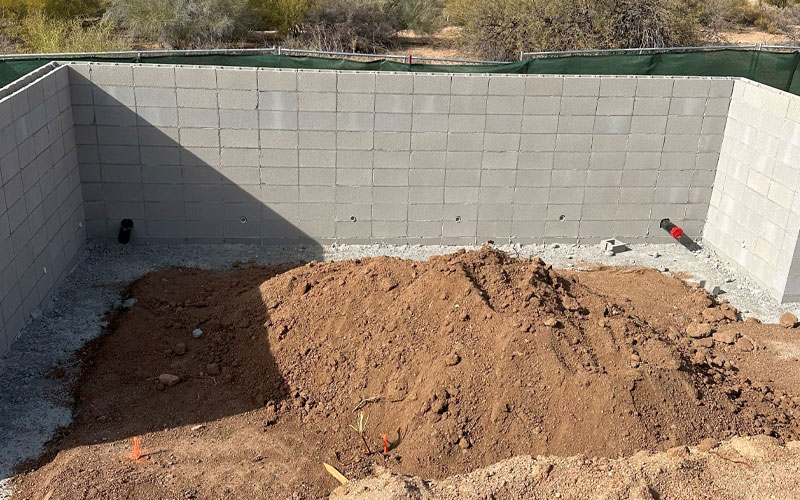
The installation process for Norman retaining walls in residential projects involves site assessment, excavation, base preparation, wall placement, and backfilling. Each step ensures structural integrity and compliance with local codes for optimal performance.
What are the maintenance requirements for various types of residential retaining walls?
The maintenance requirements for various types of residential retaining walls include regular inspections for cracks, drainage management to prevent water buildup, and cleaning to remove debris. Additionally, ensure vegetation around the wall is trimmed to prevent root damage.
What are the risks of improperly constructed retaining walls in residential areas?
The risks of improperly constructed retaining walls in residential areas include soil erosion, structural failure, and potential property damage. These issues can lead to costly repairs and safety hazards for residents and surrounding properties.
How much do residential retaining walls cost?
The cost of residential retaining walls varies based on materials, design, and project size, typically ranging from $15 to $50 per square foot, including installation. For an accurate estimate, it's best to consult with a masonry professional.
What are the common design options for residential retaining walls?
The common design options for residential retaining walls include gravity walls, cantilever walls, anchored walls, and segmental block walls. Each option offers unique aesthetic and structural benefits, allowing homeowners to choose based on landscape needs and personal style.
How do the costs of modular block retaining walls compare to natural stone walls for residential properties?
The costs of modular block retaining walls are generally lower than those of natural stone walls for residential properties. Modular blocks offer a more affordable and versatile option while still providing durability and aesthetic appeal.
What factors influence the cost of retaining walls?
The factors that influence the cost of retaining walls include material choice, wall height, site conditions, drainage requirements, and labor expenses. Each element contributes to the overall investment needed for a durable and effective retaining wall.
How long do retaining walls typically last?
The lifespan of retaining walls typically ranges from 20 to 50 years, depending on materials, construction quality, and environmental factors. Proper maintenance can extend their durability, ensuring they effectively manage slopes and enhance your landscape for years to come.
What permits are needed for retaining wall construction?
The permits needed for retaining wall construction typically include a building permit and possibly a grading permit, depending on the wall's height and location. It's essential to check local regulations to ensure compliance.
What soil types are best for retaining walls?
The best soil types for retaining walls are well-drained soils, such as sandy or gravelly soils, which provide stability and reduce hydrostatic pressure. Avoid clayey soils, as they retain water and can lead to wall failure.
How do I choose a retaining wall contractor?
Choosing a retaining wall contractor involves evaluating their experience, checking references, and ensuring they are licensed and insured. Look for specialists who understand local codes and can provide design options tailored to your landscape needs.
What are the benefits of retaining walls?
The benefits of retaining walls include effective slope management, enhanced landscape aesthetics, and increased property value. They prevent soil erosion, create usable space, and can be designed to complement your home's style while ensuring compliance with local regulations.
How do retaining walls prevent soil erosion?
Retaining walls prevent soil erosion by providing structural support that holds back soil, especially on sloped landscapes. This design helps to stabilize the ground, reducing runoff and preventing the displacement of soil during heavy rains or flooding.
What is the best material for residential retaining walls?
The best materials for residential retaining walls include concrete blocks, natural stone, and brick. Each option offers durability, aesthetic appeal, and effective slope management, making them ideal choices for enhancing your landscape while ensuring structural integrity.
How deep should a retaining wall foundation be?
The depth of a retaining wall foundation should typically be at least 1/8 of the wall's height, ensuring stability and support. For taller walls, deeper foundations may be necessary to prevent shifting and ensure durability.
What are the design considerations for retaining walls?
The design considerations for retaining walls include factors such as soil type, wall height, drainage, and load-bearing capacity, all of which ensure stability and compliance with local codes while enhancing the landscape's functionality.
How do I maintain my retaining wall?
Maintaining your retaining wall involves regular inspections for cracks or erosion, clearing debris, and ensuring proper drainage. Additionally, consider reapplying sealant as needed to protect against moisture and enhance durability.
What are the signs of a failing retaining wall?
The signs of a failing retaining wall include visible cracks, leaning or bowing of the wall, water pooling at the base, and soil erosion behind the wall. These issues indicate that the structure may not be effectively managing pressure or drainage.
Can I build a retaining wall myself?
Building a retaining wall yourself is possible, but it requires careful planning, knowledge of local building codes, and proper materials. If you're experienced in masonry work, you can take on the project, but professional guidance is recommended for best results.
What is the best height for residential retaining walls?
The best height for residential retaining walls typically ranges from 3 to 4 feet, as this height effectively manages slopes while remaining compliant with local building codes. For walls exceeding this height, professional consultation is recommended to ensure stability and safety.
How do drainage systems work with retaining walls?
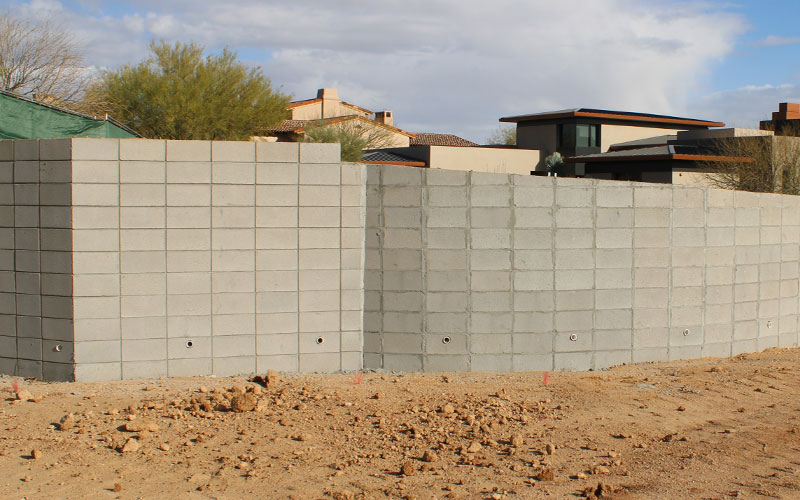
Drainage systems are essential for retaining walls as they manage water flow, preventing pressure buildup behind the wall. Proper drainage ensures stability and longevity by directing water away, reducing the risk of erosion and structural damage.
What landscaping options complement retaining walls?
Landscaping options that complement retaining walls include vibrant flower beds, decorative shrubs, and ground cover plants, which enhance visual appeal while providing erosion control. Incorporating pathways or seating areas can also create functional outdoor spaces.
What are the environmental impacts of retaining walls?
The environmental impacts of retaining walls include improved soil stability, reduced erosion, and enhanced water drainage. However, they can also disrupt natural habitats and alter local drainage patterns if not designed and implemented thoughtfully.
How do retaining walls affect property value?
Retaining walls can significantly enhance property value by improving landscape aesthetics, preventing soil erosion, and providing functional outdoor spaces. A well-constructed retaining wall demonstrates quality craftsmanship, which can attract potential buyers and increase overall property appeal.
What are the common mistakes in retaining wall construction?
Common mistakes in retaining wall construction include inadequate drainage, insufficient depth for footings, neglecting to account for soil pressure, and failing to use proper materials. These errors can lead to structural failure and costly repairs.
How can I enhance the aesthetics of my retaining wall?
Enhancing the aesthetics of your retaining wall can be achieved through various design options. Consider using decorative stone finishes, integrating plants or greenery, and incorporating lighting to create visual interest and harmonize with your landscape.
What is the lifespan of different retaining wall materials?
The lifespan of different retaining wall materials varies significantly. Concrete and stone walls can last over 50 years, while treated timber may last around 20 years, and vinyl options typically last about 25 years, depending on environmental conditions.
How do I ensure my retaining wall is code-compliant?
Ensuring your retaining wall is code-compliant involves consulting local building codes, obtaining necessary permits, and working with experienced professionals like Tera’s Masonry LLC, who can ensure adherence to regulations and proper installation practices.
What are the advantages of modular block retaining walls?
The advantages of modular block retaining walls include their durability, versatility in design, and ease of installation. They effectively manage soil erosion, enhance landscape aesthetics, and comply with building codes, making them a reliable choice for property owners.